FR
FR


This Emancipation Month, Sheniquah, a Youth Ambassador, reflects on the people, opportunities, and sense of belonging that helped shape her path.
“For me, freedom means having the ability to make choices about my life and my future.”
— Sheniquah
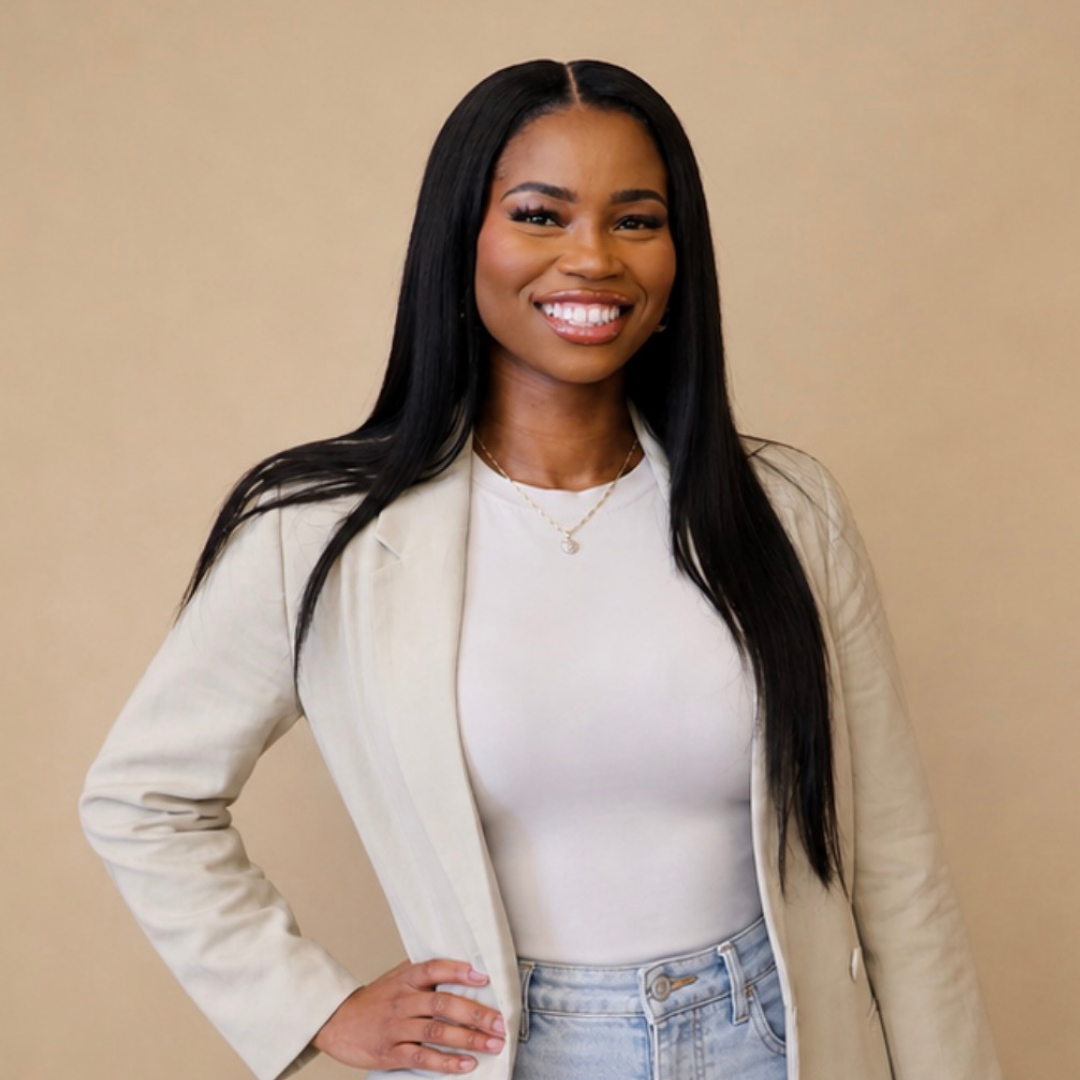
For Sheniquah, freedom is deeply personal.
She entered the child welfare system after her mother was deported to Jamaica, an experience that changed the course of her childhood. Today, as a mother, entrepreneur, author, and advocate, Sheniquah thinks about freedom not only in terms of what we are free from, but what we have the freedom to do: to dream, take risks, pursue opportunities, and build a life on our own terms.
“My circumstances don’t have to determine where I end up. I’ve had to learn that I can still move forward, even when things don’t go exactly how I planned.”
Each year on August 1, Emancipation Day, and the month of August invite us to remember the history and legacy of slavery in Canada and the generations of Black people who fought for freedom. It also asks us to consider what freedom means today.
The effects of historical and systemic racism did not end with emancipation. They continue to shape the experiences and opportunities available to Black communities in Canada, including the disproportionate representation of Black children and youth in the child welfare system.
Sheniquah’s story offers another way to think about what freedom requires: opportunity, choice and belonging.
When someone opens a door
Growing up, Sheniquah says she didn’t always have people at home telling her that she could accomplish what she dreamed of doing. But she found people elsewhere who saw something in her.
Teachers and administrators encouraged her. Pastors, church leaders, and members of her community created spaces where she could learn, be challenged, and begin to recognize her own potential.
“Sometimes one teacher, one mentor or one community leader believing in you can make you start believing in yourself too.”
Those relationships mattered. So did access to tangible opportunities.
Education became part of Sheniquah’s journey, supported by scholarships from Children’s Aid Foundation of Canada. Over time, education, community involvement, entrepreneurship, and work with young people helped her keep building the life she wanted for herself.
Her experience has also shaped how she thinks about the idea that success simply comes down to working hard.
“Hard work matters but having someone open a door for you can make a huge difference,” she says. “We also have to ask whether people have the support, resources, connections and opportunities they need to succeed.”
That distinction matters.
Young people have aspirations, talents and ideas of their own. But the opportunities available to pursue them are not distributed equally. Removing barriers and creating access to education, employment, mentorship and other opportunities can give young people who have experienced the child welfare system more freedom to determine what comes next.
The freedom to belong
For Sheniquah, having opportunities is only part of the equation. Young people also need to know that those opportunities, and the spaces they lead to, are meant for them.
“Belonging, to me, means being able to walk into a space and feel like you deserve to be there.”
“You don’t feel like you have to make yourself smaller, change who you are, or prove that you’re worthy of being included.”
It’s something she believes every child should experience: spaces where they feel seen, heard, and valued.
“When young people feel like they belong, I think they’re much more likely to believe in themselves and feel comfortable dreaming about their future.”
Today, Sheniquah is helping create those spaces and opportunities for others. Through her entrepreneurship, community work and advocacy, she encourages young people to explore their creativity, pursue education and entrepreneurship, and see possibilities for themselves.
And as a mother, she thinks about what freedom will mean for her daughters.
“I don’t want them to look at certain careers, opportunities, or spaces and think, ‘People like me don’t do that.’ I want them to feel like there are no limits to what they can accomplish.”
Freedom for the next generation
At Children’s Aid Foundation of Canada, we believe young people connected to care should have opportunities to pursue their aspirations on their own terms.
That requires recognizing the inequities that continue to affect Black and Indigenous children and youth and working alongside young people, partners, and communities to remove barriers and expand access to the resources, relationships, and opportunities that can help them move forward.
Because opportunity is about more than reaching a particular milestone. It is about having choices.
For Sheniquah, that is ultimately what connects the history we commemorate this month with the future she wants for her daughters and for other young people.
“Freedom isn’t just something we look back on historically. It’s also about what we’re doing today to make sure the next generation has the freedom to dream, to choose their own path, to feel like they belong, and to believe that their future can be bigger than their circumstances.”