FR
FR


At Children’s Aid Foundation of Canada’s (CAFC) 2026 Stand Up for Kids luncheon, business leaders, educators, philanthropists, and young people explored a simple but powerful question: What does it take to ensure talent—not circumstance—determines opportunity?
Moderated by CBC Senior Business Correspondent Peter Armstrong, this year’s panel, From Care to Career: Unlocking Talent for Canada’s Future Workforce, explored how Canada can strengthen pathways for young people with lived experience in care as they move through education and into meaningful careers.
The conversation brought together Robert Asselin, CEO of U15 Canada; Andrea Barrack, Senior Vice President, Sustainability & Impact at RBC; Erine Roberts, Senior Manager, Enterprise Disaster Recovery Program at RBC and a former crown ward and passionate child welfare advocate; and Jeffrey Schiffer, President and CEO of CAFC.
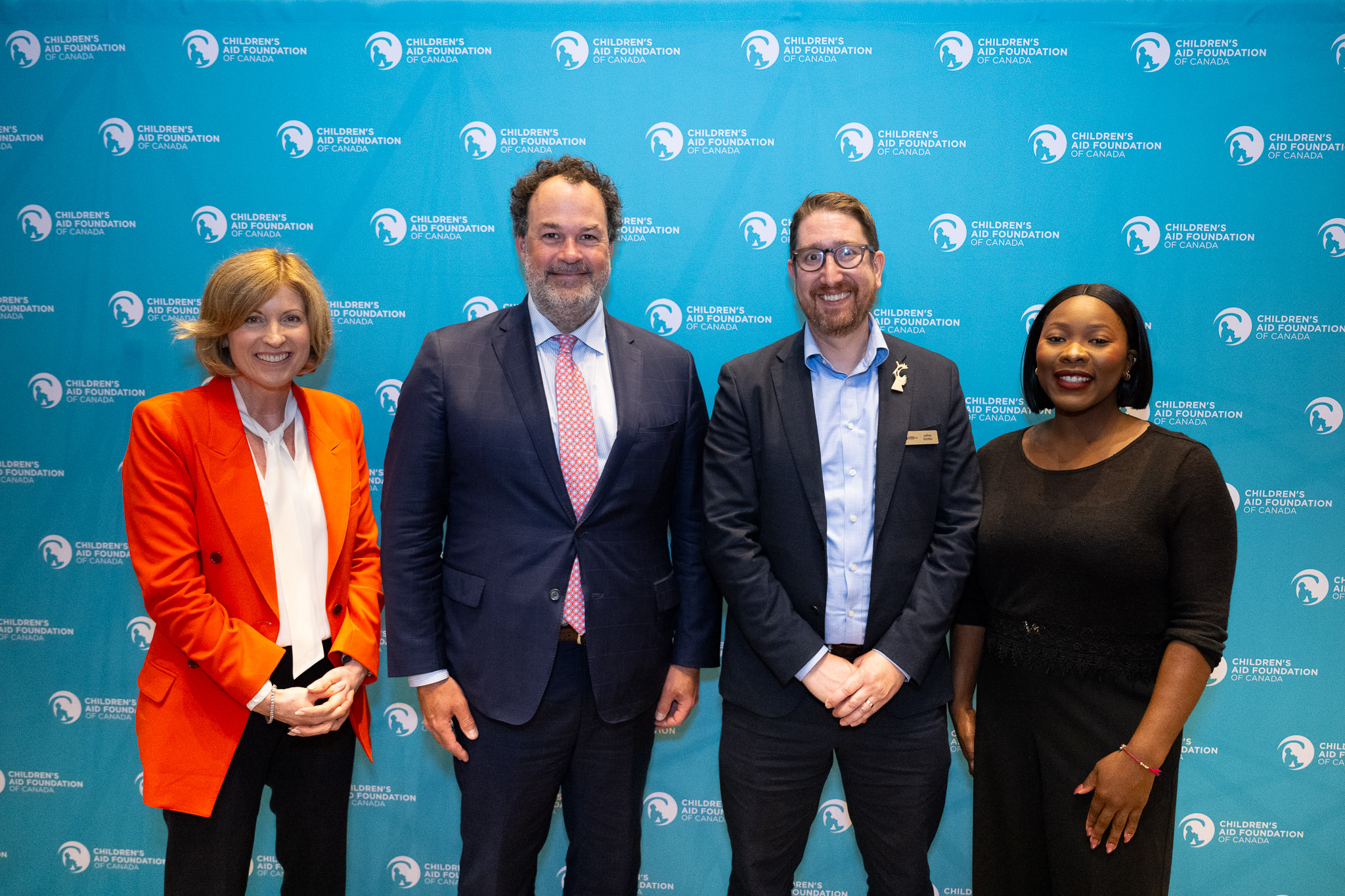
Panelists at CAFC’s 2026 luncheon from left to right: Andrea Barrack, Robert Asselin, Jeffrey Schiffer, and Erine Roberts
The Invisible Supports That Shape Opportunity
During the discussion, Erine described the concept of “scaffolding” as the support systems that help young people successfully transition into adulthood.
For many young people, that scaffolding includes encouragement from family members, introductions to professional networks, financial support, mentorship, practical advice, and someone to turn to when life becomes difficult.
For many young people from care, those supports are often missing.
“We have to be our own village.”
— Erine Roberts
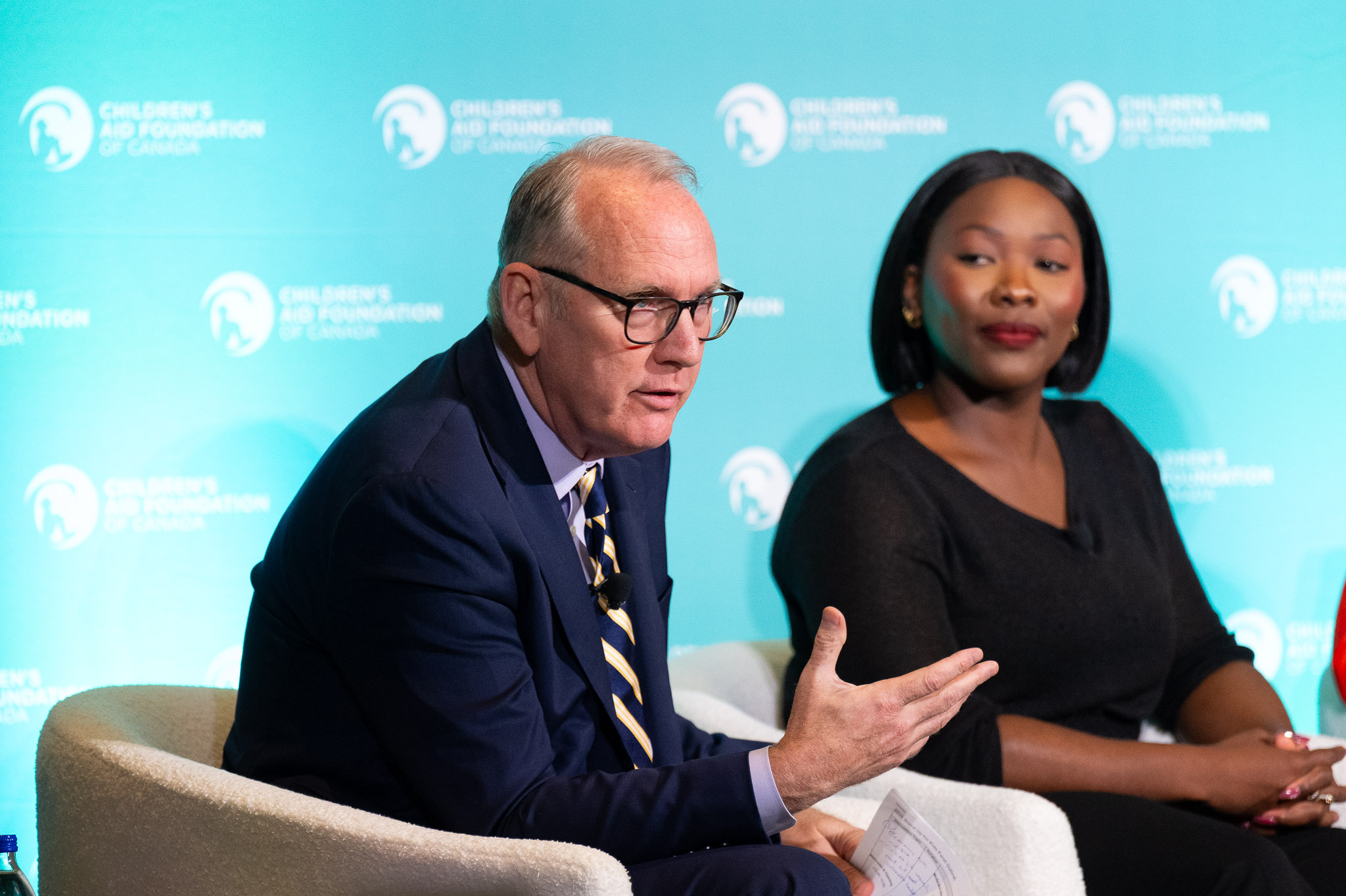
Peter Armstrong and Erine Roberts discuss the supports young people from care need as they move through education, employment, and adulthood.
Reflecting on the reality of navigating education, employment, and adulthood without the safety nets many others take for granted, Erine challenged attendees to think differently about success.
Talent and hard work matter, but they do not exist in isolation. Access to relationships, networks, experiences, and support systems often shapes opportunities to thrive.
Why Exposure Matters
Panelists highlighted the importance of early exposure in shaping aspirations and career pathways for young people from care. Simply put, young people cannot pursue opportunities they cannot see.
Andrea spoke about the interconnected role of experiences, skills, and networks in expanding opportunity. Exposure to different careers, workplaces, mentors, and possibilities helps young people imagine futures they may not otherwise consider.
These opportunities rarely come from a single conversation or intervention. Instead, they are built over time through experiences that gradually broaden a young person’s understanding of what is possible.
This is particularly important as Canada seeks to expand a skilled workforce into high-demand sectors such as business, health care, and technology—fields that often fall outside the career trajectories many young people in care are exposed to.
Talent Isn’t the Issue. Access Is.
The conversation also challenged common assumptions about young people from care.
Too often, discussions focus exclusively on barriers. Yet Erine described the adaptability, resilience, emotional intelligence, and leadership skills many young people develop while navigating complex systems and circumstances from an early age.
These are not simply personal attributes. They are capabilities that employers increasingly value in a rapidly changing world.
As employers look for individuals capable of navigating complexity, collaborating across differences, and leading through uncertainty, young people with lived experience in care bring perspectives and strengths that organizations need.
Building Pathways, Not Isolated Interventions
Through partnerships with community organizations, employers, educational institutions, and young people themselves, CAFC has learned that when young people are connected to the right opportunities, relationships, and supports, they thrive.
A scholarship matters.
A mentor matters.
Exposure matters.
Work experience matters.
Jeff illustrated that the greatest impact occurs when those opportunities are interconnected and sustained along a pathway that supports young people through key transitions in their lives.
This includes a focus on mental health and well-being, which is foundational for success in education and employment.
This is where philanthropy has a unique role to play.
Philanthropy can help build these pathways and consistent supports. It can test new ideas, identify promising approaches, generate insights, and scale solutions that improve outcomes. It can move quickly, prove what is effective, and help de-risk new approaches before asking public systems to scale them.
As Jeff described, CAFC is already seeing the positive results of philanthropy bringing together organizations, employers, and community leaders across sectors to develop innovative solutions to complex challenges that no single system can solve alone.
Investing in Canada’s Future
As Canada faces workforce shortages, economic uncertainty, and growing demand for skilled talent, one message emerged clearly from the discussion:
Strengthening pathways from education to employment for young people from care is not only an investment in individual young people—it is an investment in Canada’s future prosperity.
At CAFC, that belief guides our work. Through frontline investments, community partnerships, and innovative ventures, we are learning more about the combination of supports that help young people move successfully from education to meaningful employment.
As the panel concluded, participants were left with a challenge worth considering:
What if every young person from care who received a scholarship also had access to meaningful work experience, a trusted mentor, and the practical supports needed to stay the course?
That is one vision of what becomes possible when talent and opportunity meet. It is ambitious, but within reach if we build it together.